Walk into any busy healthcare clinic on a Monday morning and you'll see the same picture. The reception desk is ringing nonstop, patients are checking in, doctors are preparing for consultations, and staff are trying to answer every phone call while managing appointments and paperwork. Despite everyone's best efforts, calls get missed, patients are asked to wait, and the front desk quickly becomes overwhelmed.
Most clinics don't have a patient care problem. They have a communication problem.
Today's patients expect convenience. They want to book appointments without waiting on hold, receive reminders automatically, ask questions whenever they need to, and get quick answers without having to call multiple times. Unfortunately, many clinics are still relying on manual processes that were designed for a much smaller patient volume.
That gap between patient expectations and operational reality is exactly why AI voice agents are becoming one of the most valuable technologies for healthcare clinics. Rather than replacing your reception team, they work alongside them, handling repetitive conversations so your staff can focus on delivering exceptional patient care.
Healthcare Is Becoming More Demanding Every Year
Healthcare professionals already have enough on their plates. Along with providing quality medical care, clinics now manage appointment scheduling, insurance verification, follow up calls, prescription requests, patient reminders, and administrative documentation.
As patient numbers continue to grow, so does the workload placed on receptionists and administrative staff. Hiring additional employees isn't always possible, especially for small and medium sized clinics working within tight budgets.
This is why many healthcare providers are looking for smarter ways to improve efficiency without sacrificing the patient experience.
Every Missed Call Is More Than Just a Missed Call
Many clinics underestimate the impact of unanswered phone calls.
When a prospective patient calls to book an appointment and nobody answers, they rarely leave multiple voicemails. Instead, they often search for another nearby clinic and call the next number they find.
Existing patients can also become frustrated when they're unable to reschedule appointments, ask simple questions, or confirm their visit without waiting on hold.
Over time, these small moments create larger problems. Missed opportunities become lost revenue, patient satisfaction declines, and staff experience even more pressure trying to return every missed call.
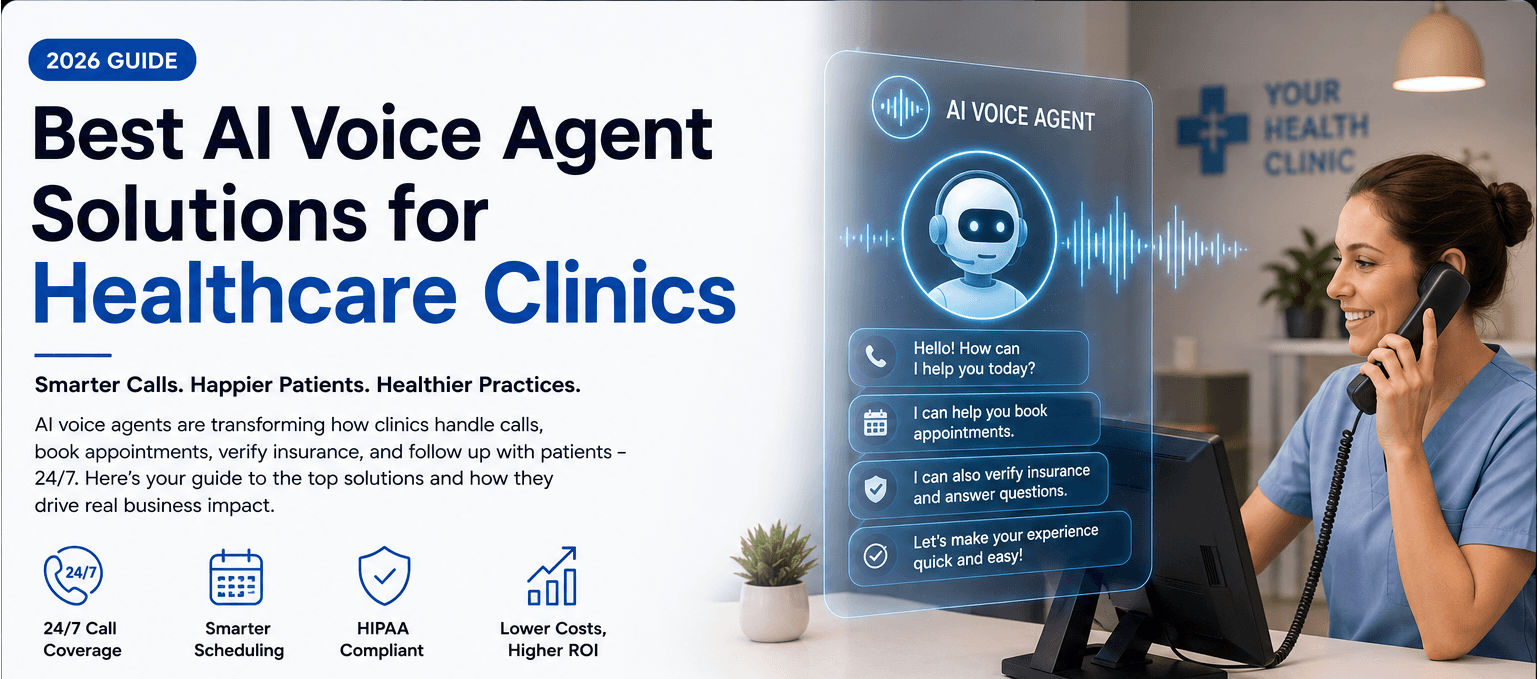
An AI voice agent ensures every caller receives an immediate response, even during peak hours when your reception team is busy helping patients in person.
Patients Expect Convenience, Not Call Queues
People have become used to instant service in almost every part of their lives. They can order groceries, book flights, pay bills, and speak with customer support within minutes.
Healthcare is no exception.
Patients increasingly expect the same level of convenience when contacting their clinic. They don't want to spend fifteen minutes waiting to schedule a routine appointment or confirm opening hours.
AI voice agents allow clinics to provide fast, natural conversations that feel more like speaking with a receptionist than navigating an outdated automated phone system.
Whether someone calls at 8 AM or 10 PM, the experience remains quick, consistent, and professional.
Administrative Work Shouldn't Take Priority Over Patient Care
Reception teams perform an incredible amount of work that patients rarely see. They answer repetitive questions, schedule appointments, send reminders, update records, transfer calls, verify information, and manage cancellations throughout the day.
While these tasks are necessary, they don't always require human attention.
AI voice agents can automatically handle many routine conversations, including:
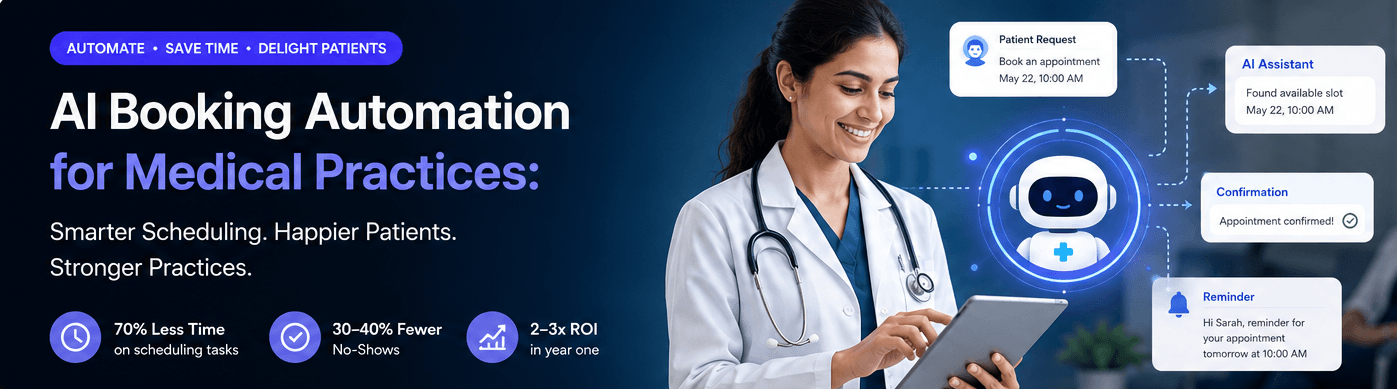
- Appointment booking
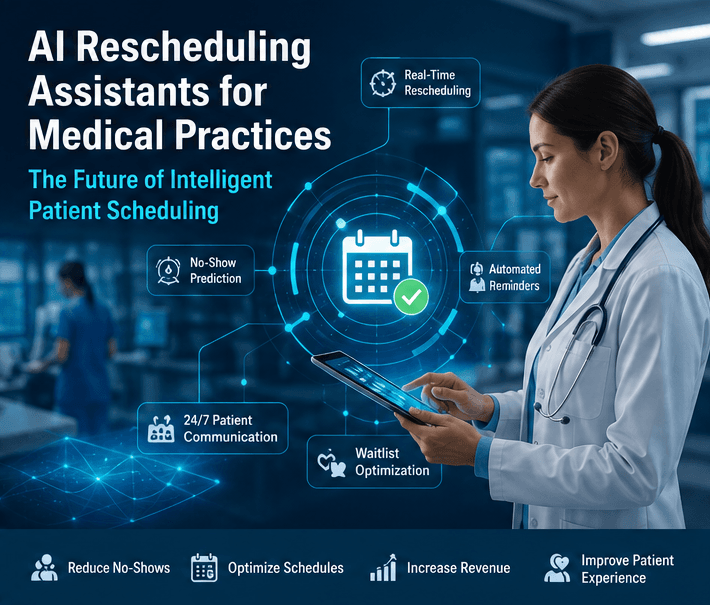
- Appointment rescheduling
- Appointment reminders
- Clinic hours and location enquiries
- Prescription refill requests
- Patient follow up calls
- Frequently asked questions
- Call routing to the correct department
Instead of spending hours answering the same questions repeatedly, your staff can dedicate more time to supporting patients who genuinely need personal assistance.
Better Patient Experiences Lead to Better Clinic Growth
Healthcare is built on trust, and communication plays a major role in creating that trust.
Patients remember how easy it was to book an appointment. They remember whether their questions were answered quickly and whether someone followed up after their visit.
A positive communication experience encourages patients to return, recommend your clinic to friends and family, and leave positive reviews online.
An AI voice agent helps create that consistency by ensuring every patient receives prompt, professional communication regardless of how busy the clinic becomes.
Technology Should Support Your Team, Not Replace It
One of the biggest misconceptions about AI voice agents is that they're designed to replace receptionists. In reality, the opposite is true.
Healthcare is built on empathy, trust, and human interaction. No technology can replace the reassurance a patient feels when speaking with a compassionate healthcare professional during an emotional or complex situation.
What AI can do is remove the repetitive tasks that consume valuable time every day.
Instead of answering the same questions hundreds of times, your reception team can focus on helping patients in person, assisting with urgent cases, and providing the personal attention that truly makes a difference.
Think of an AI voice agent as another member of your team. It never gets tired, never misses a call, and is always available to support both patients and staff.
AI Voice Agents Fit Naturally Into Existing Clinic Workflows
Introducing new technology doesn't have to mean changing the way your clinic operates.
Modern AI voice agents integrate with many of the systems healthcare providers already use, allowing them to become part of your existing workflow rather than replacing it.
They can work alongside:
- Electronic Health Record (EHR) systems
- Electronic Medical Record (EMR) platforms
- Appointment scheduling software
- Practice management systems
- CRM platforms
- VoIP and cloud telephony systems
Because information is updated in real time, patients receive accurate responses while staff spend less time manually updating appointments and records.
Supporting Growth Without Increasing Administrative Costs
As a clinic grows, patient enquiries naturally increase. More appointments lead to more reminder calls, more rescheduling requests, more billing questions, and more administrative work.
Traditionally, clinics would solve this by hiring additional reception staff. While that approach works, it also increases payroll costs and creates new operational challenges.
AI voice agents offer a more scalable solution. Whether your clinic receives fifty calls a day or five hundred, the AI can manage multiple conversations simultaneously without increasing wait times.
This allows clinics to continue growing without administrative costs rising at the same pace.
Patients Appreciate Fast, Reliable Communication
Excellent healthcare doesn't begin when a patient enters the consultation room. It begins with their very first interaction with your clinic.
When calls are answered immediately, appointments are confirmed automatically, and reminders arrive on time, patients notice the difference.
Small improvements in communication often have a significant impact on patient satisfaction, online reviews, and long term loyalty.
For healthcare clinics competing in an increasingly digital world, providing a smooth communication experience is no longer a luxury. It's becoming an expectation.
The Future of Healthcare Communication
Artificial intelligence is already changing how healthcare organizations communicate with patients, and this transformation is only beginning.
As AI technology continues to improve, voice agents will become even more capable of handling complex patient interactions, assisting with medication reminders, supporting chronic disease management, conducting patient follow ups, and helping clinics deliver more personalized experiences.
Clinics that begin adopting these technologies today will be better prepared for tomorrow's patient expectations while building more efficient operations in the present.
Final Thoughts
Every healthcare clinic shares the same goal: delivering exceptional patient care. However, achieving that goal becomes difficult when staff spend a large portion of their day handling repetitive administrative tasks.
AI voice agents help bridge that gap by answering calls instantly, automating routine conversations, reducing missed appointments, and supporting patients whenever they need assistance.
Rather than replacing healthcare professionals, they empower them to spend more time doing what they do best: caring for patients.
For clinics looking to improve efficiency, strengthen patient relationships, and prepare for future growth, investing in an AI voice agent is no longer simply a technology upgrade. It's a smarter way to build a better patient experience.
Key Takeaways
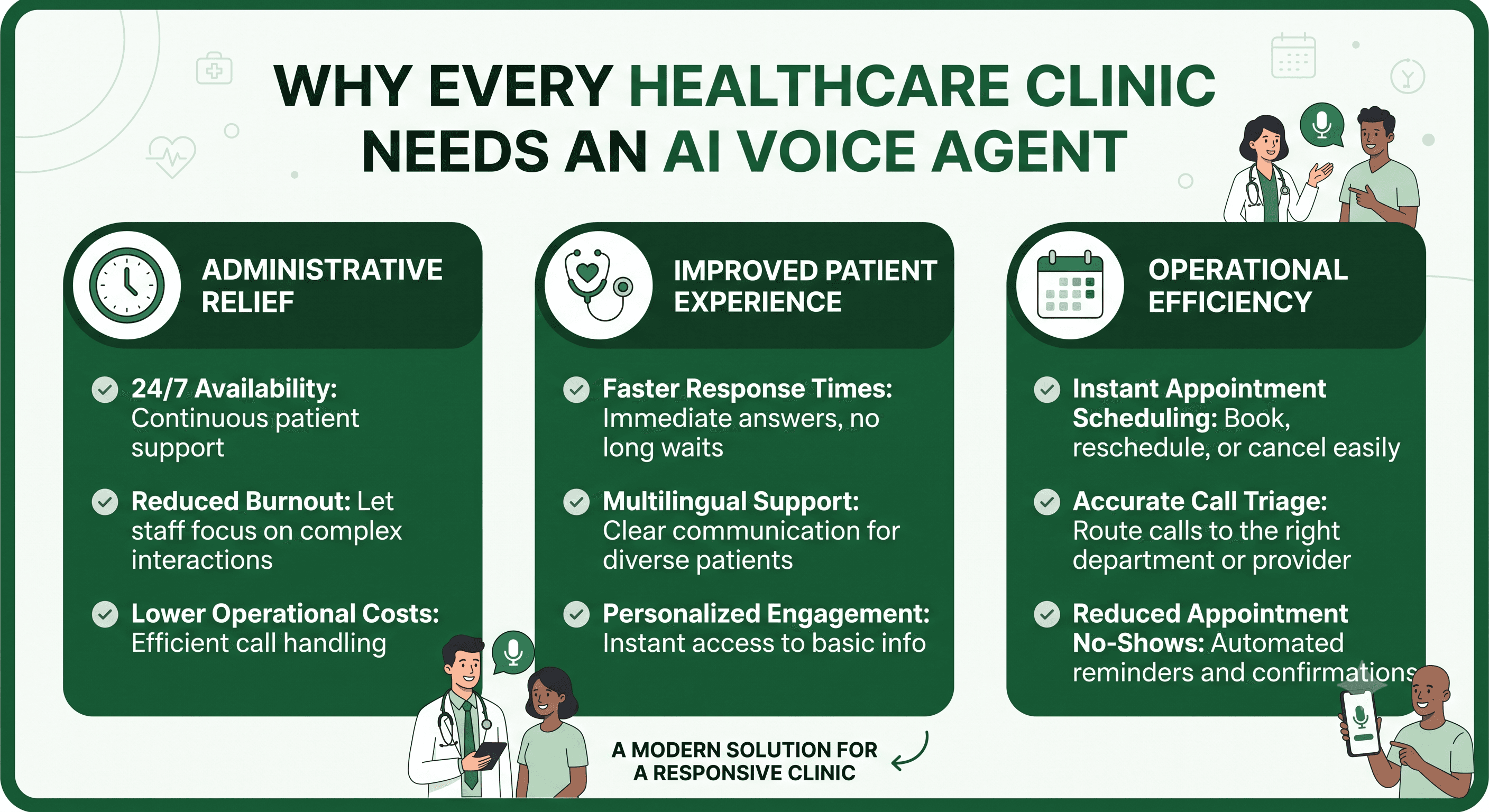
- •AI voice agents answer patient calls 24/7.
- •They reduce repetitive administrative work.
- •Appointment scheduling becomes faster and more accurate.
- •Patients receive quicker responses and shorter wait times.
- •AI integrates with EHR and clinic management systems.
- •Healthcare clinics can improve efficiency while reducing costs.
Healthcare Clinic Operations Before vs After AI Voice Agents
| Feature | Without AI Voice Agent | With AI Voice Agent |
|---|---|---|
| Incoming Calls | Missed during busy hours | Every call answered instantly |
| Appointment Booking | Manual and staff dependent | Automated 24/7 |
| Patient Wait Time | Often several minutes | Immediate response |
| Reception Workload | High administrative burden | Significantly reduced |
| Clinic Growth | Requires hiring more staff | Scales without increasing headcount |