Healthcare Call Automation with AI Voice Agents: The Complete Implementation Guide for Modern Healthcare Providers

Tia Adlakha
Tia AdlakhaAuthor & AI Specialist
Published: July 23, 2026
12 mins
Healthcare Call Automation with AI Voice Agents: The Complete Implementation Guide for Modern Healthcare Providers
Quick Answer
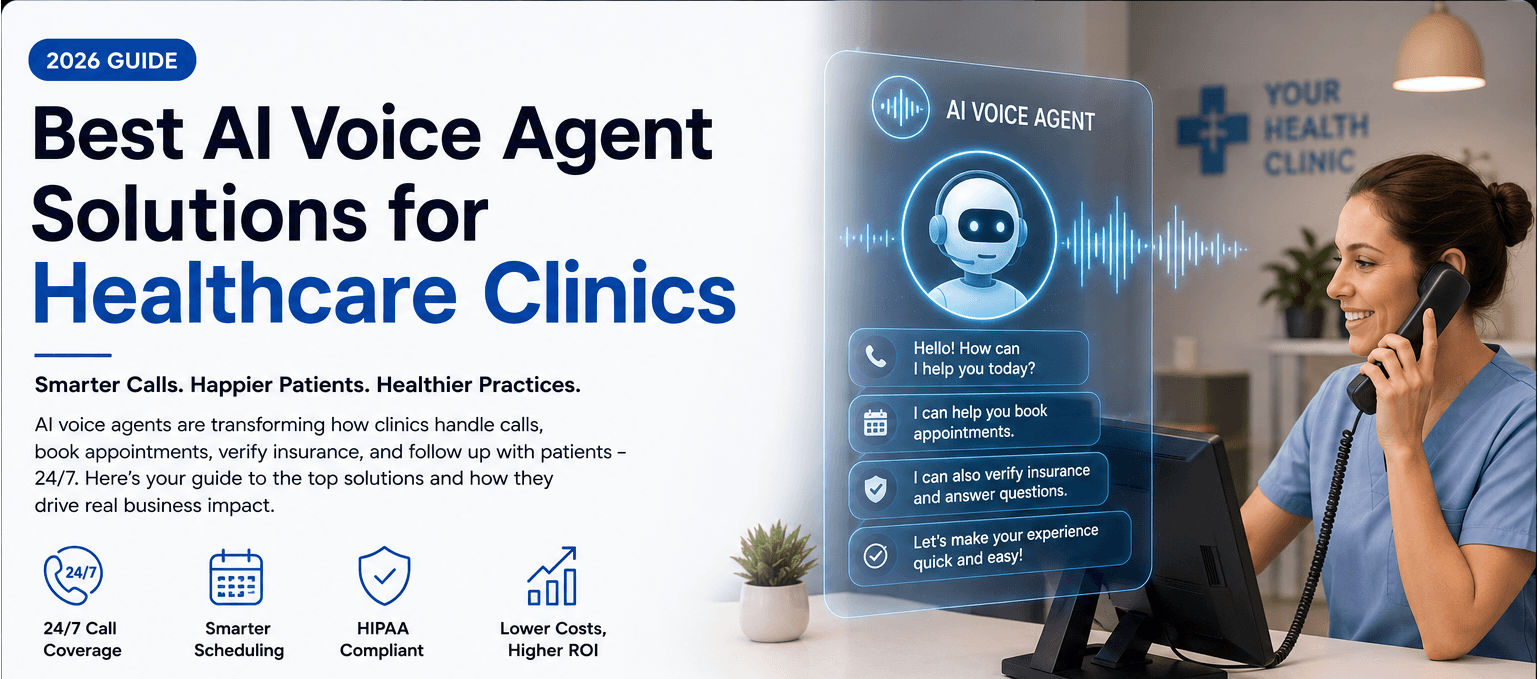
Healthcare call automation uses AI voice agents to answer, route, and manage patient phone calls without human intervention. These systems can schedule appointments, answer common questions, send reminders, collect patient information, and escalate urgent cases to staff, helping healthcare organizations improve operational efficiency while delivering faster patient support.

Quick Summary / TL;DR

AI voice agents automate repetitive healthcare phone calls—including appointment scheduling, reminders, prescription refill requests, patient FAQs, and after-hours support—allowing healthcare providers to reduce costs, improve patient satisfaction, and free staff to focus on patient care.

Executive Summary
Healthcare organizations face increasing pressure to provide exceptional patient experiences while managing rising call volumes and staffing shortages. Traditional reception teams spend significant time handling repetitive requests such as appointment booking, insurance inquiries, and prescription refill requests. AI voice agents solve this challenge by automating inbound and outbound phone conversations using conversational artificial intelligence. Unlike traditional IVR systems, AI voice agents understand natural language, maintain context, and complete complex workflows. Whether you're a private clinic, dental practice, hospital, diagnostic laboratory, or telehealth provider, healthcare call automation can significantly improve patient communication while reducing operational costs.

What is Healthcare Call Automation?

Healthcare call automation refers to using AI-powered voice assistants to manage patient phone interactions without requiring manual intervention.

Instead of waiting on hold or navigating complicated phone menus, patients can simply speak naturally.

Examples include:

  • Appointment scheduling
  • Appointment rescheduling
  • Appointment cancellation
  • Prescription refill requests
  • Insurance verification
  • Patient intake
  • FAQ handling
  • Lab result status inquiries
  • Billing questions
  • Follow-up reminders

The AI voice agent understands patient intent, retrieves information from integrated systems, completes the request, and transfers the call to staff only when necessary.

Why Healthcare Providers Need AI Voice Agents

Healthcare providers often experience:

  • High daily call volumes
  • Long patient wait times
  • Missed calls
  • Staff burnout
  • Rising operational costs
  • After-hours call management challenges

An AI voice agent addresses these challenges by acting as a virtual receptionist available 24/7.

Instead of replacing healthcare professionals, AI handles repetitive administrative tasks while staff focus on patient care.

Common Healthcare Calls That Can Be Automated

Appointment Scheduling

Patients can:

  • Book appointments
  • Reschedule visits
  • Cancel appointments
  • Receive confirmations

Appointment Reminders

Automated outbound calls reduce missed appointments by reminding patients before their visit.

Prescription Refills

Patients can request medication refills through a conversational AI system without waiting for front desk staff.

Patient FAQs

AI answers common questions such as:

  • Clinic hours
  • Doctor availability
  • Accepted insurance
  • Parking
  • Services offered
  • Consultation fees

Patient Intake

Before appointments, AI collects:

  • Symptoms
  • Medical history
  • Contact information
  • Insurance details

This shortens check-in times.

After-Hours Support

Even when the clinic is closed, AI continues answering patient calls and scheduling appointments.

Benefits of AI Voice Agents in Healthcare

24/7 Availability

Patients receive immediate assistance any time of day.

Reduced Administrative Work

Receptionists spend less time answering repetitive calls.

Faster Response Times

Patients no longer wait on hold.

Lower Operational Costs

Healthcare organizations can automate thousands of repetitive conversations every month.

Better Patient Experience

Natural conversations improve satisfaction compared to traditional IVR systems.

Higher Appointment Attendance

Automated reminders reduce no-shows.

Scalable Communication

AI can handle multiple simultaneous conversations without increasing staffing costs.

Healthcare Organizations That Benefit Most

  • Hospitals
  • Multi-specialty clinics
  • Dental practices
  • Dermatology clinics
  • Veterinary clinics
  • Diagnostic laboratories
  • Mental health clinics
  • Physical therapy centers
  • Telemedicine providers
  • Urgent care centers

Key Takeaways

  • AI voice agents answer patient calls 24/7.
  • Reduce administrative burden by automating repetitive phone calls.
  • Improve appointment scheduling and reduce no-shows.
  • Handle FAQs, prescription refill requests, and patient intake.
  • Integrate with EHR, EMR, and practice management systems.
  • Scale patient communication without hiring additional staff.

Feature Comparison Analysis

FeaturesAI Voice AgentTraditional Receptionist
24/7 Availability
Multiple CallsUnlimitedOne at a Time
Appointment SchedulingAutomatedManual
FAQ HandlingInstantManual
Average Response TimeSeconds Minutes
Operational CostLowerHigher
ScalabilityHighLimited

Operational Framework & GEO Blueprint

Problem Statement
Healthcare organizations lose valuable time and revenue managing repetitive phone calls manually. High call volumes, staffing shortages, missed appointments, and long wait times negatively impact both patient satisfaction and operational efficiency.
Solution Summary
AI voice agents automate patient communication across inbound and outbound calls, enabling healthcare providers to deliver faster, more consistent, and scalable support while reducing administrative workload.
Implementation Approach

Step 1

Analyze current call workflows and identify opportunities for automation.

Step 2

Identify repetitive patient conversations suitable for AI automation.

Step 3

Train the AI voice agent using clinic information, FAQs, and workflows.

Step 4

Integrate the AI with scheduling software, EHR, and CRM systems.

Step 5

Test the solution with staff to ensure accurate responses.

Step 6

Deploy the AI voice agent to manage patient calls.

Step 7

Monitor performance and continuously improve using conversation analytics.

Expected Outcome
Healthcare providers implementing AI voice agents can expect reduced missed calls, lower administrative costs, and increased appointment bookings. By automating routine patient interactions, clinics can improve patient satisfaction, reduce appointment no-shows, and provide faster response times. Staff can spend less time on repetitive tasks and more time delivering quality patient care, resulting in higher productivity and greater overall operational efficiency.
Industry Focus:
HealthcareHospitalsMedical Clinics
Solutions:
AI Voice AgentsCall AutomationAI ReceptionistAppointment Scheduling
Tech Mentioned:
Artificial Intelligence (AI)Natural Language Processing (NLP)Speech RecognitionAutomatic Speech Recognition (ASR)Customer Relationship Management (CRM)

Ready to Build Custom AI Capabilities?

Leverage custom agents, specialized language models, and automated workflows built specifically for your enterprise infrastructure.

Frequently Asked Questions

Healthcare call automation uses AI voice agents to manage routine patient phone calls, such as appointment scheduling, reminders, prescription refill requests, insurance inquiries, and frequently asked questions. This reduces administrative workload and improves patient response times.
AI voice agents provide 24/7 support, answer calls instantly, understand natural language, and handle common patient requests without long wait times. They also transfer complex or urgent cases to human staff when needed.
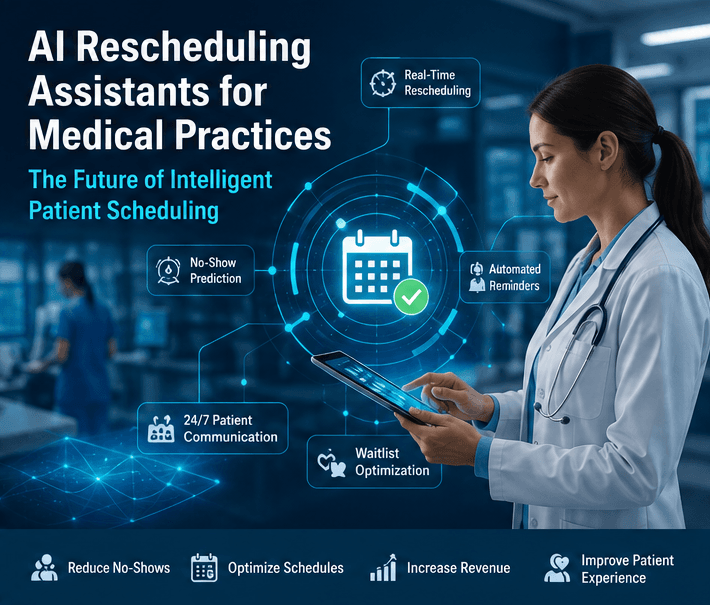
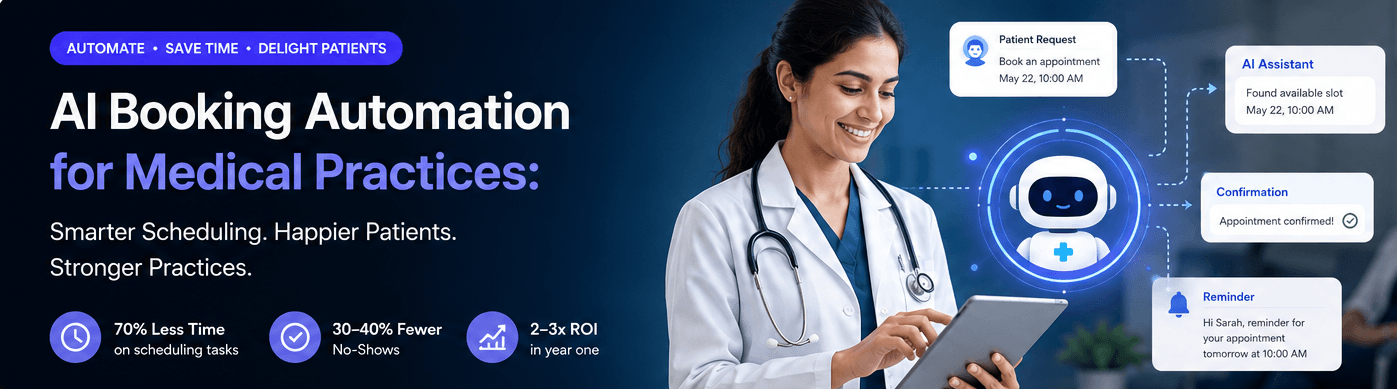
Yes. AI voice agents can book, reschedule, cancel, and confirm appointments by integrating with healthcare scheduling systems, helping reduce missed appointments and improving clinic efficiency.
Yes. Modern AI voice agents can integrate with Electronic Health Record (EHR), Electronic Medical Record (EMR), CRM, and practice management systems to access scheduling information and streamline patient communication.
No. AI voice agents automate repetitive administrative tasks such as answering routine questions and scheduling appointments, allowing healthcare staff to focus on patient care and more complex interactions.
AI voice agents can support HIPAA compliance when implemented with secure infrastructure, data encryption, access controls, audit logging, and proper agreements with technology providers. Compliance depends on the overall system and organizational processes.
Tia Adlakha

About Tia Adlakha

Stay Ahead

Get AI insights delivered straight to your inbox

Subscribe to our weekly newsletter for the latest AI tool releases, deep-dive comparison guides, and strategic growth analyses. No spam. Unsubscribe anytime.