Booking a doctor's appointment should be one of the easiest parts of a patient's healthcare journey. Unfortunately, that's not always the case. Busy phone lines, unanswered calls, long hold times, and scheduling conflicts often create frustration before a patient even walks through the clinic doors.
For healthcare providers, managing appointments has become one of the most time-consuming administrative responsibilities. Reception teams spend a significant part of their day answering calls, checking availability, rescheduling visits, confirming appointments, and handling cancellations. While these tasks are essential, they leave less time for supporting patients who need personal attention.
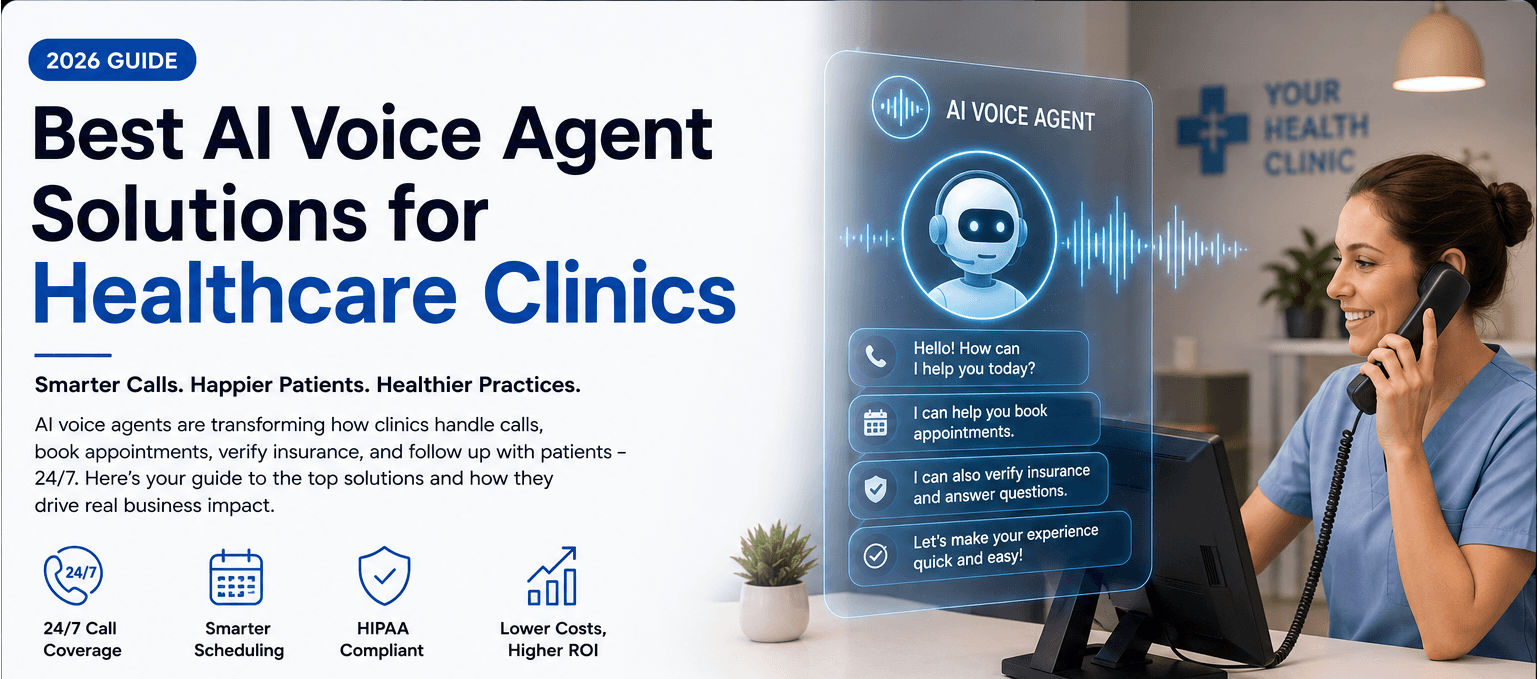
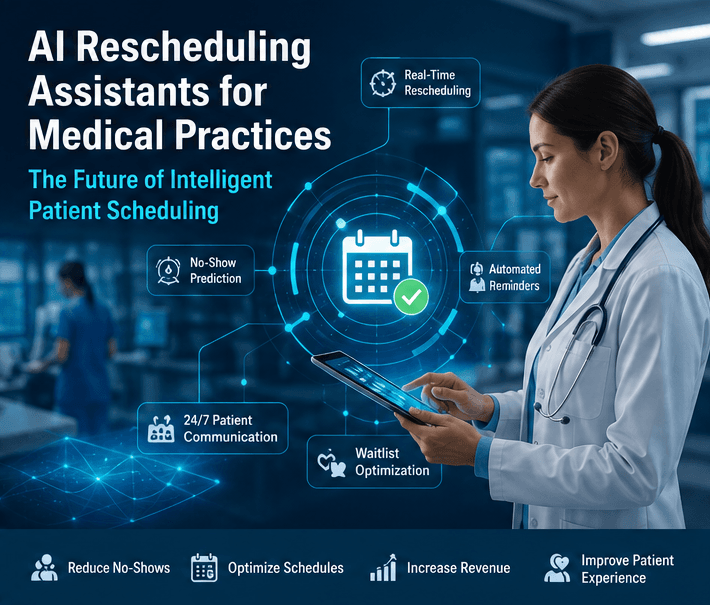
AI voice agents are changing the way healthcare clinics approach patient scheduling. Instead of relying entirely on manual phone conversations, clinics can automate appointment management while giving patients a faster, more convenient way to book the care they need.
Why Patient Scheduling Matters More Than Ever
Every appointment is more than just a calendar entry. It represents a patient seeking care, a clinician's time, and revenue for the practice. When scheduling isn't managed efficiently, everyone is affected.
Patients become frustrated when they cannot book appointments quickly. Reception teams become overwhelmed during busy hours, and providers face schedule gaps caused by cancellations or no shows.
A smooth scheduling process improves the patient experience from the very first interaction while helping clinics maximize their daily capacity.
The Challenges of Manual Appointment Scheduling
Traditional scheduling methods work well when patient volumes are low, but they quickly become difficult to manage as clinics grow.
Receptionists often juggle multiple phone calls while helping patients at the front desk. During peak hours, calls may go unanswered, appointments may overlap, and valuable time is spent handling repetitive scheduling requests.
Some of the most common scheduling challenges include:
- Missed incoming calls during busy periods
- Long hold times for patients
- Appointment booking errors
- Frequent cancellations and rescheduling
- High administrative workload
- Limited scheduling outside business hours
These challenges don't just affect efficiency. They directly influence patient satisfaction and clinic productivity.
How AI Voice Agents Simplify Patient Scheduling
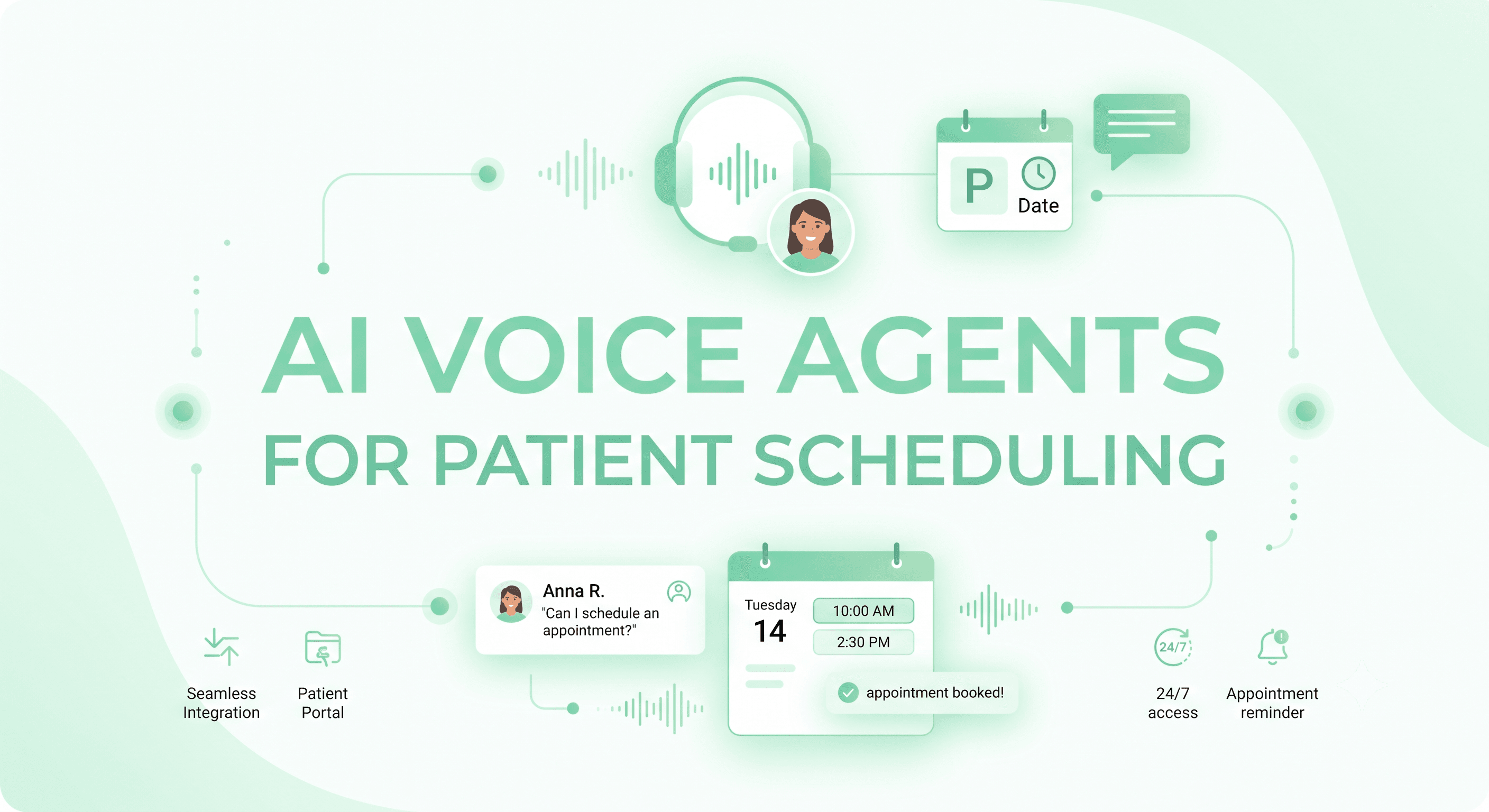
AI voice agents automate many of the repetitive conversations involved in appointment management. Instead of waiting for a receptionist to become available, patients can speak naturally with an AI assistant that understands their request and completes the booking within seconds.
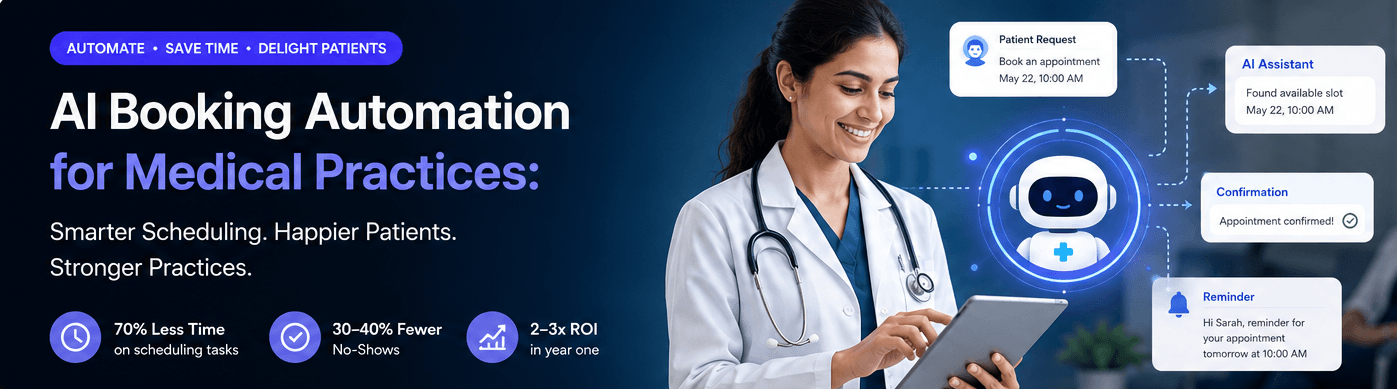
The AI can instantly check appointment availability, recommend suitable time slots, confirm bookings, and update the clinic's scheduling system in real time.
If a patient needs to cancel or reschedule, the AI can manage those requests just as efficiently while freeing staff to focus on more complex responsibilities.
Available Whenever Patients Need Them
Patients don't always remember to schedule appointments during office hours. Many prefer booking visits in the evening, early morning, or over the weekend.
Unlike traditional reception services, AI voice agents remain available twenty four hours a day. Whether someone calls before work or late at night, they can still book, cancel, or reschedule appointments without waiting for the clinic to open.
This level of accessibility creates a better patient experience while ensuring clinics never miss scheduling opportunities simply because the phones were unavailable.
Booking a doctor's appointment should be one of the easiest parts of a patient's healthcare journey. Unfortunately, that's not always the case. Busy phone lines, unanswered calls, long hold times, and scheduling conflicts often create frustration before a patient even walks through the clinic doors.
For healthcare providers, managing appointments has become one of the most time-consuming administrative responsibilities. Reception teams spend a significant part of their day answering calls, checking availability, rescheduling visits, confirming appointments, and handling cancellations. While these tasks are essential, they leave less time for supporting patients who need personal attention.
AI voice agents are changing the way healthcare clinics approach patient scheduling. Instead of relying entirely on manual phone conversations, clinics can automate appointment management while giving patients a faster, more convenient way to book the care they need.
Why Patient Scheduling Matters More Than Ever
Every appointment is more than just a calendar entry. It represents a patient seeking care, a clinician's time, and revenue for the practice. When scheduling isn't managed efficiently, everyone is affected.
Patients become frustrated when they cannot book appointments quickly. Reception teams become overwhelmed during busy hours, and providers face schedule gaps caused by cancellations or no shows.
A smooth scheduling process improves the patient experience from the very first interaction while helping clinics maximize their daily capacity.
The Challenges of Manual Appointment Scheduling
Traditional scheduling methods work well when patient volumes are low, but they quickly become difficult to manage as clinics grow.
Receptionists often juggle multiple phone calls while helping patients at the front desk. During peak hours, calls may go unanswered, appointments may overlap, and valuable time is spent handling repetitive scheduling requests.
Some of the most common scheduling challenges include:
- Missed incoming calls during busy periods
- Long hold times for patients
- Appointment booking errors
- Frequent cancellations and rescheduling
- High administrative workload
- Limited scheduling outside business hours
These challenges don't just affect efficiency. They directly influence patient satisfaction and clinic productivity.
How AI Voice Agents Simplify Patient Scheduling
AI voice agents automate many of the repetitive conversations involved in appointment management. Instead of waiting for a receptionist to become available, patients can speak naturally with an AI assistant that understands their request and completes the booking within seconds.
The AI can instantly check appointment availability, recommend suitable time slots, confirm bookings, and update the clinic's scheduling system in real time.
If a patient needs to cancel or reschedule, the AI can manage those requests just as efficiently while freeing staff to focus on more complex responsibilities.
Available Whenever Patients Need Them
Patients don't always remember to schedule appointments during office hours. Many prefer booking visits in the evening, early morning, or over the weekend.
Unlike traditional reception services, AI voice agents remain available twenty four hours a day. Whether someone calls before work or late at night, they can still book, cancel, or reschedule appointments without waiting for the clinic to open.
This level of accessibility creates a better patient experience while ensuring clinics never miss scheduling opportunities simply because the phones were unavailable.
Manual Patient Scheduling vs AI Voice Agent Scheduling
| Feature | Traditional Scheduling | AI Voice Agent Scheduling |
|---|---|---|
| Appointment Booking | Staff manually books appointments during clinic hours | Patients can book appointments automatically 24/7 |
| Appointment Changes | Reception staff handle every cancellation and reschedule | AI manages cancellations and rescheduling instantly |
| Wait Time | Patients may wait on hold during busy periods | Calls are answered immediately |
| Missed Appointments | Higher risk of no shows | Automated reminders help reduce no shows |
| Reception Workload | High during peak hours | Routine scheduling tasks are automated |
| Patient Convenience | Limited to clinic operating hours | Patients can schedule appointments anytime |