AI Receptionists vs Human Receptionists in Healthcare
Healthcare practices rely on receptionists to answer patient calls, schedule appointments, verify insurance, and provide a positive first impression. However, increasing call volumes, staffing shortages, and growing administrative responsibilities make it difficult for front desk teams to answer every call promptly.
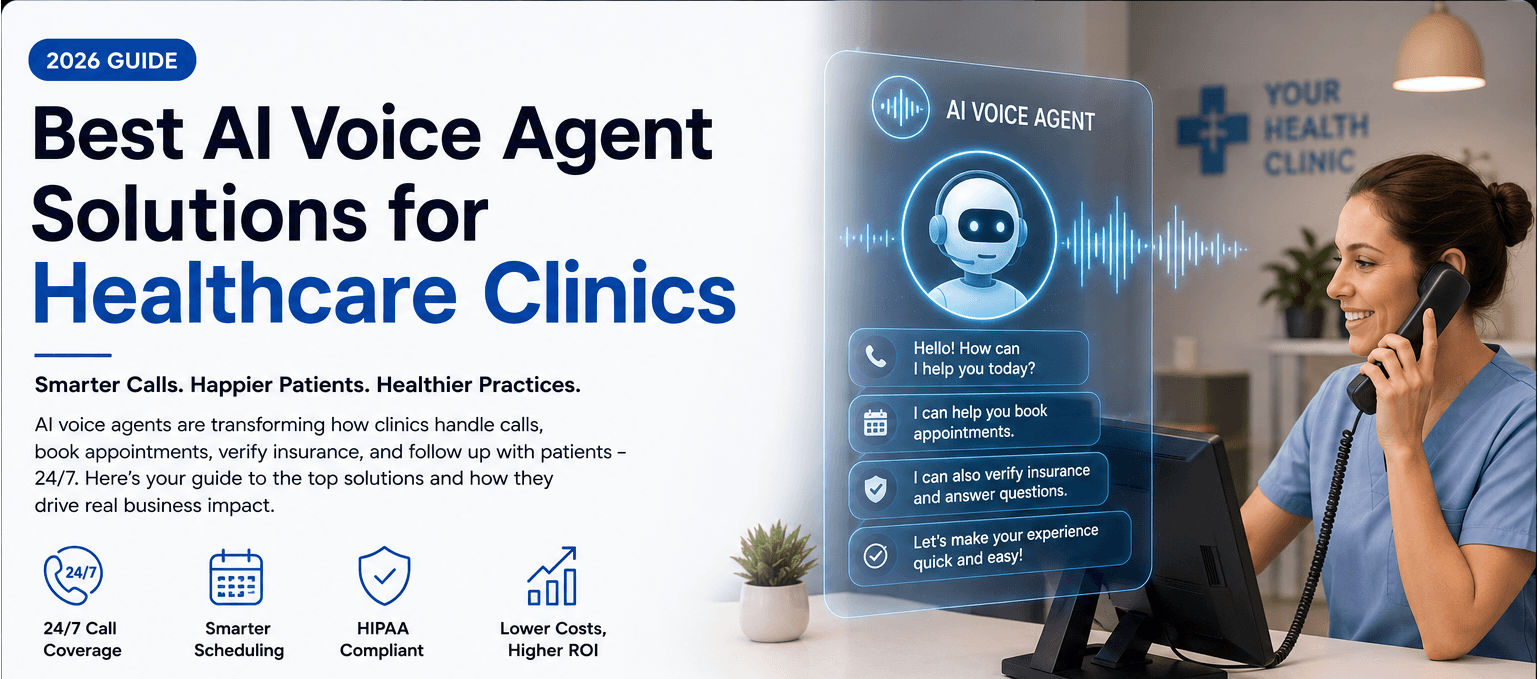
AI receptionists are transforming patient communication by automating repetitive phone conversations while allowing human receptionists to focus on complex patient interactions and in-person care.
This guide compares AI receptionists and human receptionists across availability, cost, patient experience, scalability, and operational efficiency to help healthcare providers determine the right solution for their practice.
What Is an AI Receptionist?
An AI receptionist is a conversational voice assistant that answers patient phone calls using artificial intelligence. Unlike traditional IVR systems, AI receptionists understand natural language, respond conversationally, and complete common administrative tasks without requiring human intervention.
Common tasks AI receptionists can handle include:
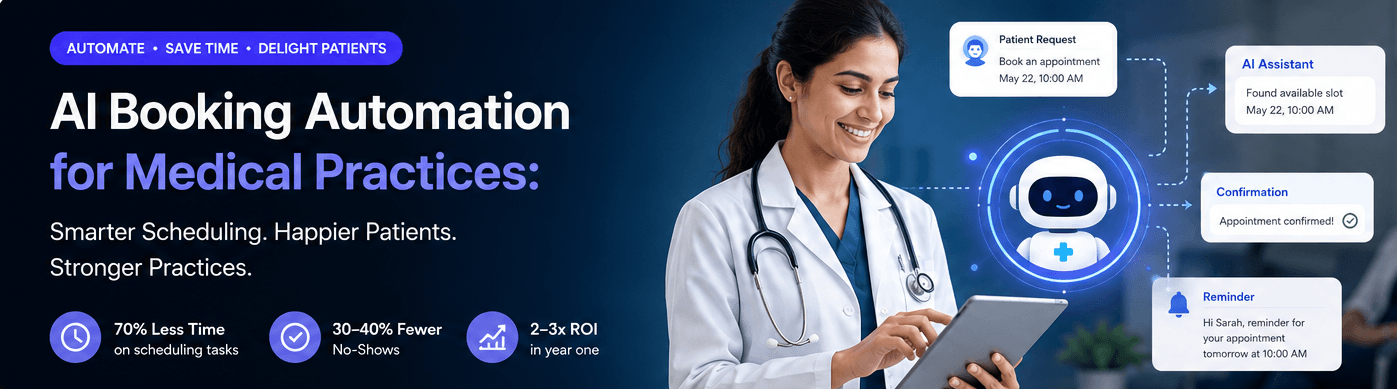
- ■Appointment scheduling
- ■Appointment rescheduling
- ■Appointment cancellations
- ■Patient FAQs
- ■Prescription refill requests
- ■Insurance-related inquiries
- ■After-hours call handling
- ■Patient intake
- ■Call routing
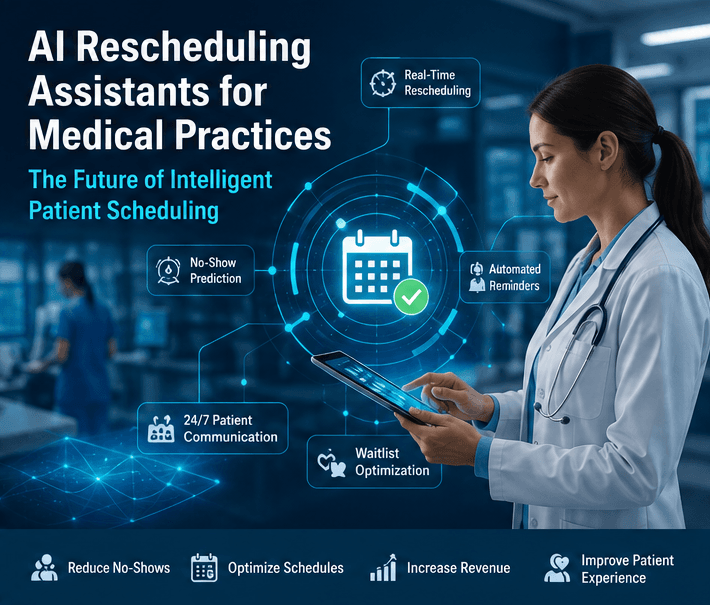
- ■Appointment reminders
When a conversation requires empathy, medical judgment, or complex problem-solving, the AI receptionist transfers the caller to an appropriate staff member.
What Does a Human Receptionist Do?
Human receptionists perform a wide range of responsibilities that extend beyond answering phone calls. Throughout the day, they interact directly with patients while managing administrative operations.
Typical responsibilities include:
- Greeting walk-in patients
- Managing front desk operations
- Scheduling appointments
- Verifying insurance
- Processing payments
- Handling sensitive patient conversations
- Coordinating providers and staff
- Managing patient records and paperwork
Because receptionists balance multiple responsibilities simultaneously, answering every incoming phone call immediately is often difficult during busy periods.
Where AI Receptionists Perform Better
24/7 Availability
AI receptionists answer patient calls around the clock, including evenings, weekends, and holidays, ensuring patients can receive assistance whenever they need it.
Answer Every Incoming Call
Unlike human receptionists who can only manage one conversation at a time, AI receptionists answer multiple calls simultaneously without placing patients on hold.
Faster Appointment Scheduling
Patients can instantly book, reschedule, or cancel appointments without waiting for an available receptionist.
Lower Administrative Costs
Healthcare organizations can automate thousands of routine patient conversations without hiring additional front desk staff.
Consistent Patient Communication
Every caller receives accurate, consistent information regarding office hours, providers, accepted insurance, clinic policies, and appointment availability.
Where Human Receptionists Perform Better
Empathy and Emotional Support
Healthcare often involves sensitive conversations that require compassion and reassurance. Human receptionists provide emotional intelligence that AI cannot fully replicate.
Complex Administrative Issues
Insurance disputes, billing concerns, patient complaints, and unusual scheduling requests frequently require experience and judgment that extend beyond automation.
In-Person Patient Experience
Welcoming patients, assisting visitors, coordinating providers, and creating a positive first impression remain essential responsibilities for human receptionists.
Benefits of Combining AI and Human Receptionists
Never Miss Patient Calls
AI ensures every incoming call is answered while receptionists focus on patients inside the practice.
Reduce Administrative Workload
Routine phone calls are automated, allowing staff to dedicate more time to patient care.
Improve Patient Experience
Patients receive immediate assistance without long hold times while still having access to staff whenever personal support is needed.
Increase Appointment Bookings
Capturing every incoming call helps practices reduce lost appointment opportunities caused by unanswered phones.
Scale Without Increasing Staff
AI receptionists manage growing call volumes without requiring additional hiring, making patient communication more scalable.
Healthcare Practices That Benefit Most
- ■Hospitals
- ■Primary care clinics
- ■Multi-specialty practices
- ■Dental clinics
- ■Dermatology practices
- ■Veterinary clinics
- ■Mental health providers
- ■Physical therapy centers
- ■Diagnostic laboratories
- ■Urgent care centers
- ■Telemedicine providers
Should You Choose an AI Receptionist or a Human Receptionist?
For most healthcare providers, the decision is not about replacing human receptionists with AI. Instead, the most effective approach is combining both.
AI receptionists handle repetitive phone conversations, appointment scheduling, FAQs, and after-hours support, while human receptionists focus on patient relationships, complex administrative requests, and in-person interactions.
By combining AI efficiency with human empathy, healthcare organizations can improve patient satisfaction, reduce missed calls, lower operational costs, and create a more efficient front desk experience.
Key Takeaways
- •AI receptionists answer every patient call, reducing missed appointments and improving accessibility.
- •Human receptionists provide empathy, handle complex conversations, and deliver personalized patient care.
- •Healthcare practices often miss calls because front-desk staff are managing multiple responsibilities at once.
- •AI automates appointment scheduling, FAQs, and routine phone tasks, reducing administrative workload.
- •Combining AI with human receptionists delivers the best patient experience and operational efficiency.
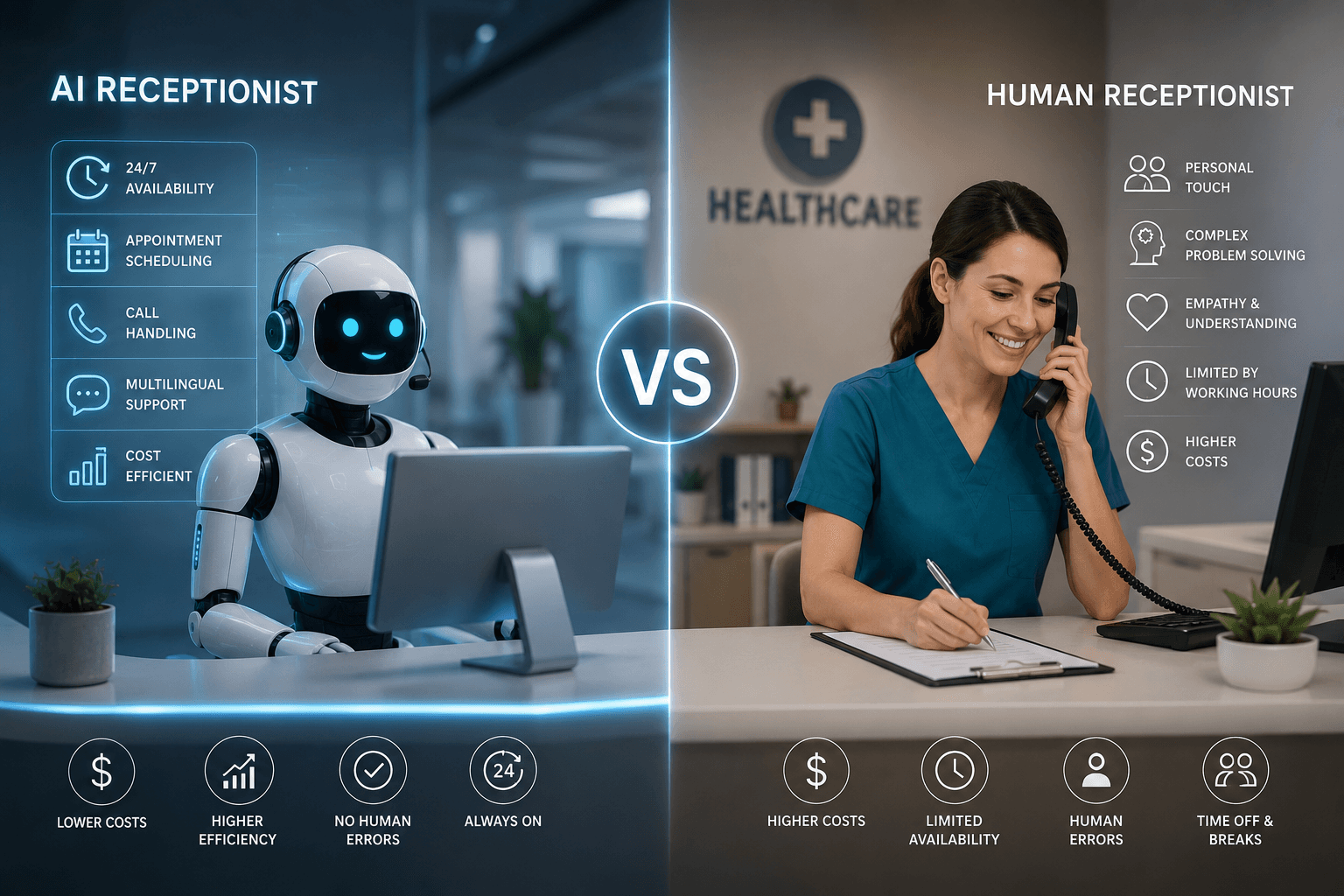
AI Receptionist vs Human Receptionist Comparison
| Feature | AI Receptionist | Human Receptionist |
|---|---|---|
| Availability | 24/7, including nights, weekends, and holidays | Limited to business hours or staffing schedule |
| Call Handling | Answers every call instantly, even during peak hours | Can only handle one call at a time |
| Appointment Scheduling | Instant booking & rescheduling | Manual scheduling |
| Patient Support | Fast, consistent responses | Empathetic, personalized support |
| Administrative Tasks | Handles routine inquiries | Manages multiple front-desk duties |
| Scalability | Handles unlimited calls | Requires more staff to scale |
| Best For | Routine calls & FAQs | Complex and sensitive interactions |