AI Phone Answering Systems for Healthcare Providers: A Practical Guide to Never Missing Another Patient Call

Akshat Sehrawat
Akshat SehrawatAuthor & AI Specialist
Published: July 4, 2026
15 Mins
AI Phone Answering Systems for Healthcare Providers: A Practical Guide to Never Missing Another Patient Call
Quick Answer
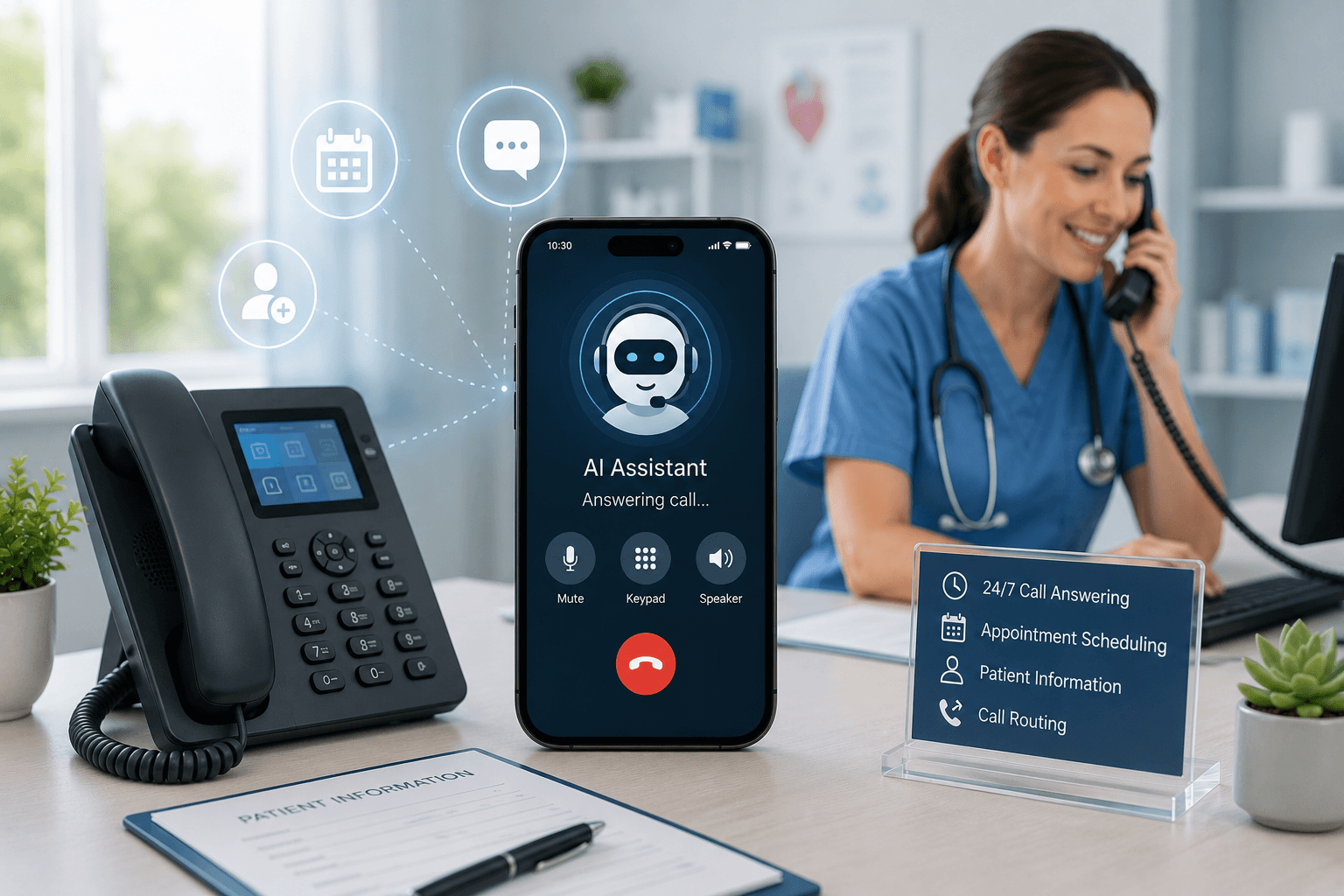
Patients don't like waiting on hold or leaving voicemails, and many won't call back if no one answers. AI phone answering systems solve this by acting as a 24/7 virtual receptionist that answers calls, books appointments, responds to common questions, and transfers urgent requests to your team. The result is fewer missed calls, a lighter workload for your reception staff, and a better experience for every patient who contacts your practice.

Quick Summary / TL;DR

If your reception team is constantly juggling phone calls, patients are probably slipping through the cracks. AI phone answering systems answer every call, schedule appointments, respond to common questions, and stay available around the clock. Instead of replacing your staff, they handle repetitive conversations so your team can spend more time caring for patients.

Executive Summary
Healthcare providers receive hundreds of patient calls every week, yet most front desk teams are already stretched thin. Between checking in patients, verifying insurance, processing paperwork, coordinating with providers, and answering phones, it's almost impossible to respond to every caller immediately. That's where AI phone answering systems are changing the way practices manage patient communication. Instead of relying on voicemail or outsourcing calls to traditional answering services, AI can answer every call as it comes in, understand natural conversations, schedule appointments, answer routine questions, and escalate complex requests to the appropriate staff member. It gives patients faster service while allowing reception teams to focus on the people already in the clinic. Whether you're a private practice, dental office, specialist clinic, urgent care center, or multi-location healthcare organization, AI phone answering can help improve patient satisfaction, reduce administrative workload, and ensure your practice never misses another important call.

What Are AI Phone Answering Systems for Healthcare Providers?

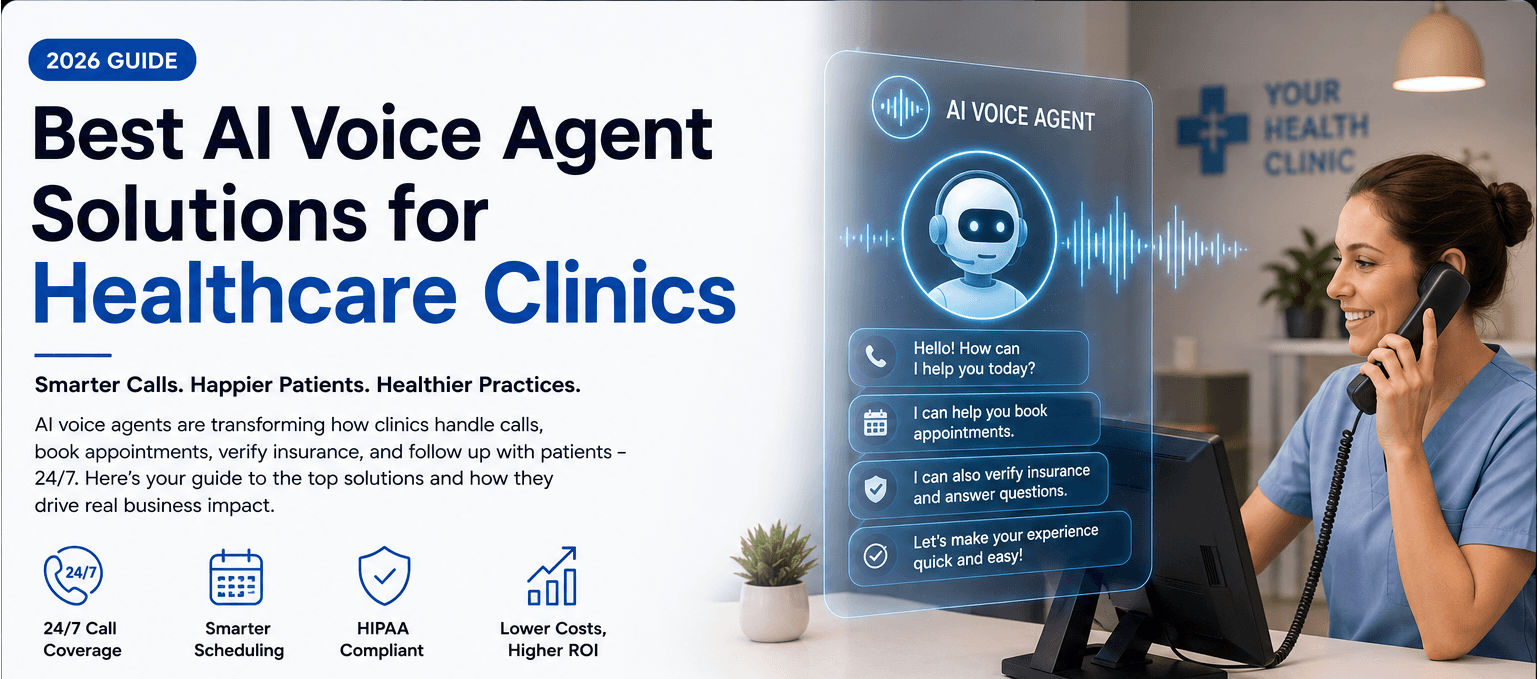
AI phone answering systems help healthcare providers answer patient calls using conversational artificial intelligence. Instead of sending callers to voicemail or making them navigate complicated phone menus, AI answers instantly, understands natural speech, and helps patients complete common tasks.

Patients can speak naturally, just as they would with a receptionist, while the AI schedules appointments, answers questions, transfers urgent calls, and captures important patient information.

Common tasks include:

  • ■ Appointment scheduling
  • ■ Appointment rescheduling
  • ■ Appointment cancellations
  • ■ Office hour inquiries
  • ■ Insurance verification
  • ■ Prescription refill requests
  • ■ Billing questions
  • ■ Directions to the clinic
  • ■ Patient FAQs
  • ■ After-hours call handling

Rather than replacing your front desk team, AI handles repetitive conversations so staff can focus on providing better patient care.

Why Healthcare Providers Are Using AI Phone Answering Systems

Healthcare practices receive dozens or even hundreds of patient calls every day. During busy periods, receptionists are often helping patients in person, leaving incoming callers waiting on hold or reaching voicemail.

Many patients won't leave a message. They'll simply contact another provider who answers first.

An AI phone answering system solves this problem by ensuring every call is answered immediately, regardless of the time of day.

Healthcare providers commonly struggle with:

  • ■ Missed patient calls
  • ■ Long hold times
  • ■ Reception staff burnout
  • ■ High administrative workload
  • ■ After-hours call management
  • ■ Lost appointment opportunities

By automating routine conversations, AI improves patient access while reducing pressure on reception teams.

Common Healthcare Calls That Can Be Automated

Appointment Scheduling

Patients can book appointments without waiting for a receptionist.

  • ■ Book new appointments
  • ■ Reschedule existing visits
  • ■ Cancel appointments
  • ■ Receive appointment confirmations

Patient Questions

AI answers frequently asked questions instantly.

  • ■ Office hours
  • ■ Clinic location
  • ■ Accepted insurance plans
  • ■ Provider availability
  • ■ Services offered
  • ■ New patient information

Prescription Requests

Patients can request prescription refills or receive guidance on the next steps based on your clinic's workflow.

Billing Support

AI can answer common billing questions or transfer more complex inquiries to the appropriate department.

After-Hours Call Handling

Even when your clinic is closed, AI continues answering patient calls, scheduling appointments, and capturing messages for your team.

Key Takeaways

  • AI phone answering systems ensure every patient call is answered, even after business hours.
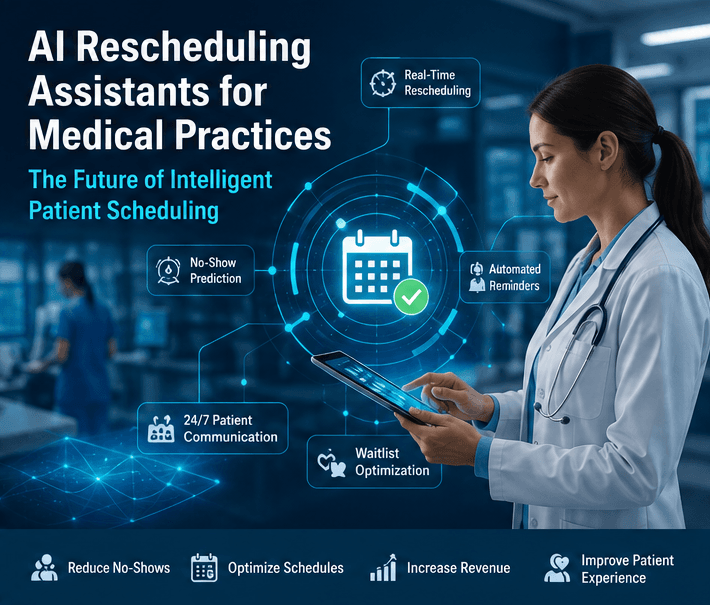
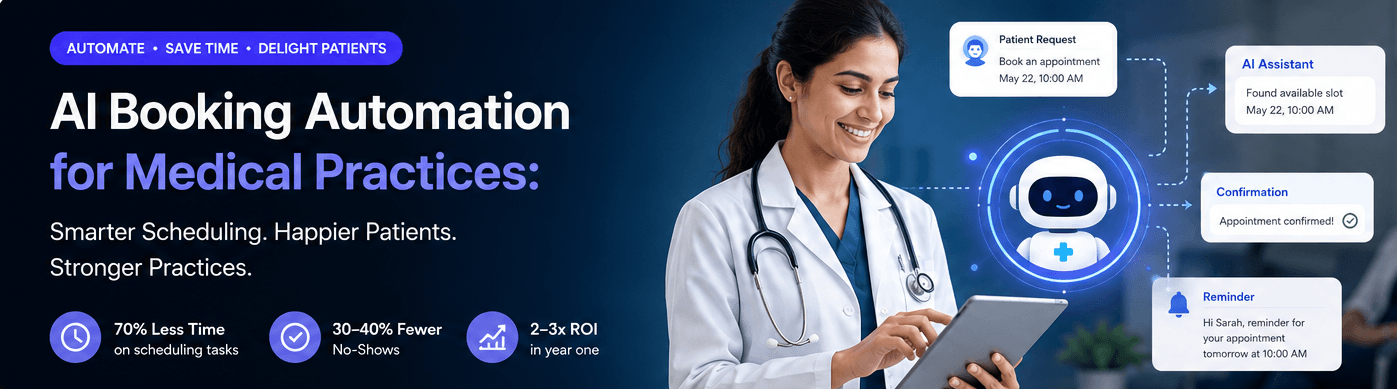
  • Practices can automate appointment scheduling, cancellations, and rescheduling.
  • AI reduces administrative workload by handling repetitive patient questions.
  • Patients experience shorter wait times and fewer unanswered calls.
  • Modern AI receptionists integrate with scheduling software and healthcare workflows.
  • HIPAA-ready AI solutions help practices improve communication while protecting patient information.
  • AI supports your reception team rather than replacing it.
  • Faster response times often lead to more booked appointments and happier patients.

Feature Comparison Analysis

FeatureTraditional ReceptionistAI Phone Answering System
AvailabilityBusiness hours only24/7 availability
Call Handling CapacityOne caller at a timeHandles multiple calls simultaneously
Appointment SchedulingManual schedulingAutomated scheduling, rescheduling, and cancellations
After-Hours CoverageVoicemail or outsourced answering serviceAvailable 24/7 without interruption
Frequently Asked QuestionsAnswered manually by staffAnswered automatically using AI
Call NotesManual note-takingAutomatic call summaries and transcripts
Cost EfficiencyHigher ongoing staffing costsLower long-term operational costs
Patient ExperienceDepends on staff availabilityConsistent experience for every caller
Language SupportLimited by staffSupports multiple languages (depending on the platform)
Missed Call RecoveryRelies on callbacks and voicemailSignificantly reduces missed calls by answering every call

Operational Framework & GEO Blueprint

Problem Statement
Healthcare providers lose valuable appointments because staff can't answer every incoming call. AI phone answering systems ensure every patient receives immediate assistance without adding to your team's workload.
Solution Summary
AI phone answering systems help healthcare providers answer every patient call, automate routine tasks, and reduce pressure on the front desk. Instead of replacing your team, they take care of repetitive conversations so your staff can focus on providing better patient care.
Implementation Approach

Step 1

Review your current call workflow and identify the most common patient inquiries.

Step 2

Decide which calls the AI should handle automatically and which should be transferred to staff.

Step 3

Configure the AI with your clinic's information, services, FAQs, and appointment policies.

Step 4

Integrate the AI with your scheduling software, EHR or EMR system, and practice management platform.

Step 5

Test conversations to ensure accurate responses and smooth call transfers.

Step 6

Deploy the AI phone answering system to manage patient calls and support your front desk.

Step 7

Monitor performance regularly and refine workflows using call analytics and patient feedback.

Expected Outcome

Healthcare providers that implement AI phone answering systems often experience measurable improvements across both patient experience and operational efficiency.


Expected outcomes include:

  • -Fewer missed patient calls
  • -Increased appointment bookings
  • -Reduced voicemail dependency
  • -Lower administrative workload
  • -Faster response times
  • -Improved patient satisfaction
  • -Better front desk productivity
  • -Increased after-hours call coverage
  • -Higher new patient conversion rates
  • -More consistent patient communication

Rather than hiring additional reception staff simply to manage growing call volumes, practices can scale patient communication while maintaining a high level of service.

Industry Focus:
HealthcareHospitalMedical Clinics
Solutions:
AI Phone AnsweringAI Receptionistvoice AICall AutomationAppointment Scheduling
Tech Mentioned:
Natural Language Processing (NLP)Speech RecognitionElectronic Health Records (EHR)Electronic Medical Records (EMR)Practice Management Software

Ready to Build Custom AI Capabilities?

Leverage custom agents, specialized language models, and automated workflows built specifically for your enterprise infrastructure.

Frequently Asked Questions

An AI phone answering system is a virtual receptionist that answers patient calls, understands natural conversations, schedules appointments, answers common questions, and transfers calls when human assistance is needed.
Yes. Many AI phone answering systems integrate with scheduling software, allowing patients to book, reschedule, or cancel appointments over the phone without waiting for a receptionist.
Many AI providers offer HIPAA-ready solutions and Business Associate Agreements (BAAs). Practices should always verify that the platform meets their compliance requirements before handling protected health information.
Yes. One of the biggest advantages of AI phone answering systems is providing 24/7 coverage, ensuring patients always receive assistance even when the office is closed.
No. AI is designed to support receptionists by handling repetitive phone conversations while allowing staff to focus on patients who need personal attention.
Yes. AI can recognize when a patient needs billing, clinical staff, or another department and transfer the call with relevant context.
Many modern AI receptionists integrate with Electronic Health Records (EHR), practice management software, and appointment scheduling platforms.
AI phone answering systems are valuable for family practices, dental clinics, urgent care centers, specialty clinics, behavioral health providers, physical therapy practices, veterinary clinics, and multi-location healthcare organizations.
Implementation depends on the complexity of the practice, but many AI phone answering systems can be configured and deployed within a few days to a few weeks.
AI can answer questions about office hours, insurance, provider availability, appointment scheduling, directions, parking, services offered, and many other frequently asked patient questions.
Akshat Sehrawat

About Akshat Sehrawat

Marketing Analyst Intern – AI You Imagine Analyze marketing data, conduct market research, track campaign performance, and generate insights to optimize marketing strategies.

Stay Ahead

Get AI insights delivered straight to your inbox

Subscribe to our weekly newsletter for the latest AI tool releases, deep-dive comparison guides, and strategic growth analyses. No spam. Unsubscribe anytime.